
Flamberge by ADAMA (Monocrotophos 36% SL)
Insecticide · Detailed usage and dosage information for different crops
Extremely toxic — red label triangle (Poison)
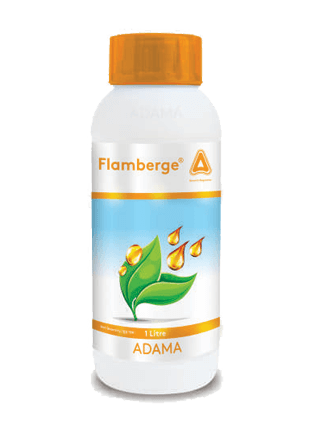
Flamberge dosage by crop
Pre-harvest interval (PHI): Infinity–-Infinity days depending on crop. Do not harvest before the waiting period is complete.
| Crop | Pest / disease | Method | a.i. per ha | Formulation per ha | Water (L/ha) | Waiting period (days) |
|---|---|---|---|---|---|---|
| Black Gram | Pod Borer · Insects | Spray | 250 | 625 | 500-1000 | - |
| Cardamom | Thrips · Insects | Spray | 375 | 937 | 500-1000 | - |
| Citrus | Black Aphids · Insects | Spray | 0.04% | 1500-2000 | 500-2000 | 10 lit./trees |
| Citrus | Mites · Insects | Spray | 0.03% | 937-1250 | 500-2000 | 10 lit./trees |
| Coconut | Caterpillar · Insects | Spray | 3.5 -7gm per tree | 8.75-17.5ml per tree | Lower dose to be applied on plants below 9 years & higher Or more than 9 years of age. | - |
| Coffee | Green Bug · Insects | Spray | 625 | 1562 | 500-1000 | - |
| Cotton | Leaf Curl · Disease | Spray | 175 | 437 | 500-1000 | - |
| Cotton | Aphids · Insects | Spray | 175 | 437 | 500-1000 | - |
| Cotton | Bollworm · Insects | Spray | 450-800 | 1125-2250 | 500-1000 | - |
| Cotton | Grey Weevil · Insects | Spray | 500 | 1250 | 500-1000 | - |
| Cotton | Leaf Hopper · Insects | Spray | 175 | 437 | 500-1000 | - |
| Cotton | Thrips · Insects | Spray | 175 | 437 | 500-1000 | - |
Read the label. Doses above are the registered label claims (Central Insecticides Board & Registration Committee) for information only. Always follow the product label and your local agriculture officer's advice, wear protective equipment, and observe the waiting period before harvest. Found an error? Report it. See our terms of use.
Product Label & Registration
Flamberge by ADAMA is registered under India's Insecticides Act 1968. The product label specifies the exact active ingredient concentration (Monocrotophos 36% SL), approved crops, application method, safety precautions, and the pre-harvest waiting period.
Always purchase from a licensed dealer and verify the registration on the official CIB&RC database before use.
Other Monocrotophos 36% SL brand products in India
All products below contain Monocrotophos 36% SL as the active ingredient and carry CIB&RC registered label claims.
- ★ This productFlambergeADAMA
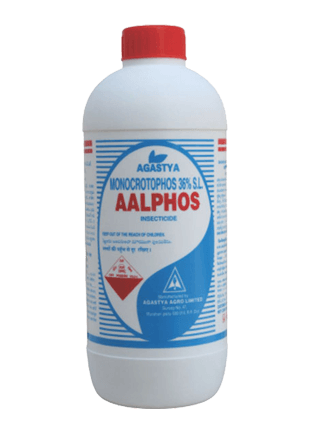 AalphosAGASTYA
 Crop MonoNAC
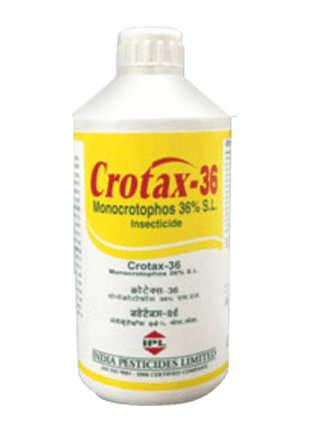 Crotax-36IPL
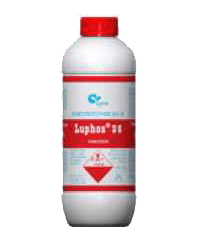 LuphosCRYSTAL
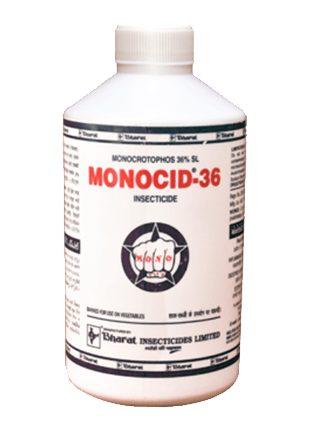 MonocidBHARAT
 MonocilIIL
Agri Input Dealers
Find licensed seed, fertilizer and pesticide dealers near you.
Weather & Crop Advisories
District-level agromet advisories combining IMD 5-day weather forecasts with crop-specific pest, disease and irrigation recommendations.
Government Schemes for Farmers
Subsidies, crop insurance, loans and input support — check eligibility and apply online.
Agri Finance & Credit
Loans, crop insurance and investment norms — NABARD unit costs, PMFBY rates and KCC interest.
Source: Central Insecticides Board & Registration Committee (CIB&RC), India - official registered label data · View source →. Updated: updated annually or when label claims change · Report an error
Frequently Asked Questions
What crops is Flamberge registered for?
Flamberge (Monocrotophos 36% SL) is registered for use in Black Gram, Cardamom, Citrus, Coconut, Coffee, Cotton as per CIB&RC label claims.
What is the dosage of Flamberge?
Dosage of Flamberge varies by crop and pest. Always follow the CIB&RC registered label dose for each crop.
Is Flamberge safe to use near water bodies?
Always follow the Flamberge label instructions regarding buffer zones near water bodies, drainage channels, or ponds. Do not spray during windy conditions or when rain is forecast within 4 hours. Dispose of empty containers as directed on the label — never near water sources.
Where can I buy Flamberge by ADAMA in India?
Flamberge is available from licensed pesticide dealers across India. Use the NaPanta app to find verified dealers near you who stock ADAMA products. Always purchase pesticides from licensed dealers and insist on a bill to ensure authenticity.
What precautions should I take when using Flamberge?
Wear personal protective equipment (PPE) — gloves, mask, eye protection, and full-sleeved clothing — when mixing and applying Flamberge. Do not eat, drink, or smoke during application. Wash thoroughly after use. Keep children and animals away from the treated area until the spray dries. Observe the pre-harvest waiting period listed on the label.